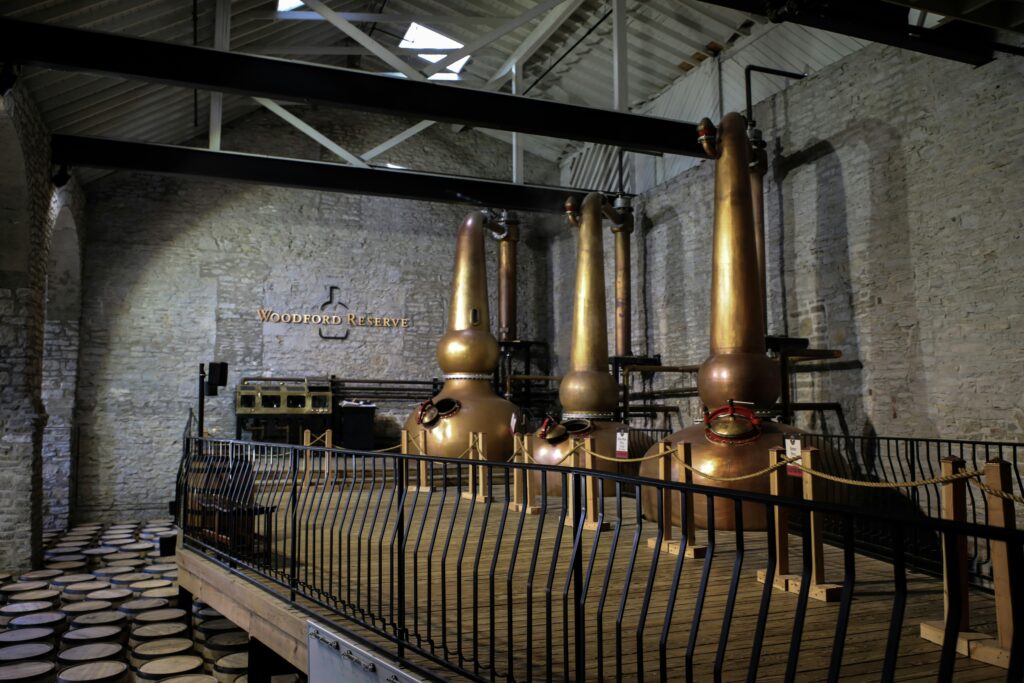
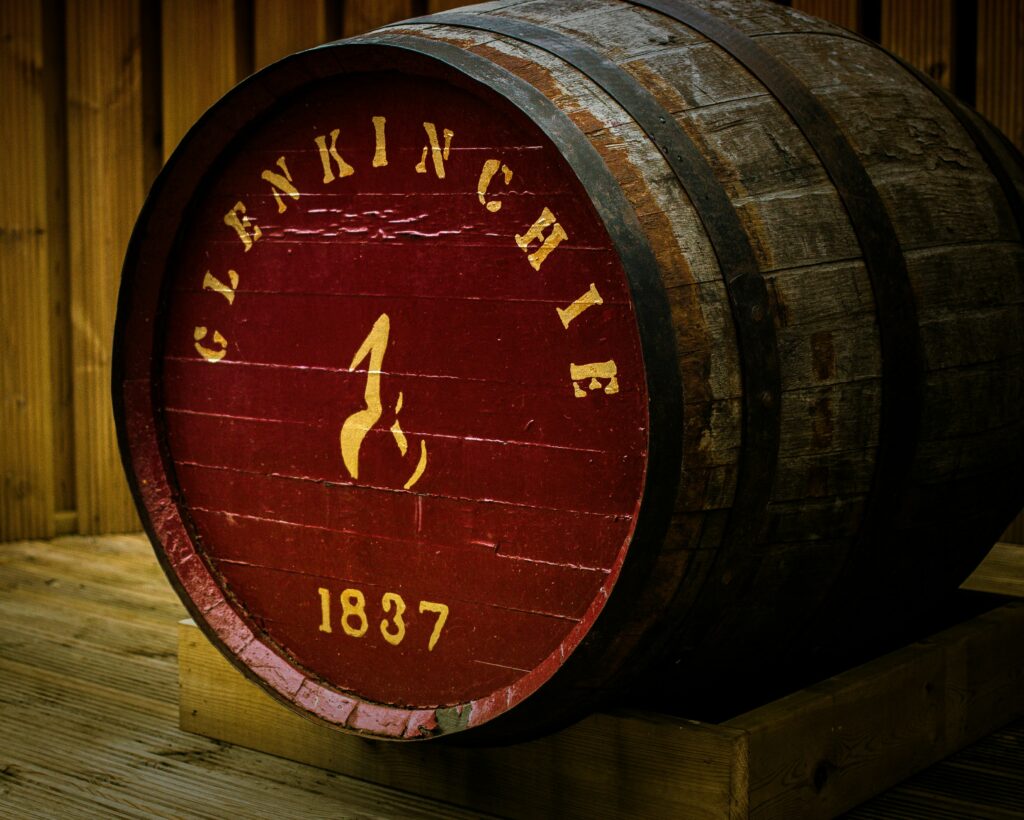
Whisky cask ownership offers premium collectors a tangible asset that matures over time, blending financial appreciation with sensory enjoyment. In the whisky ownership scenes, cask ownership stands out for its accessibility through bonded warehouses, while Scotch cask ownership and whisky cask opportunities emphasize direct ownership of maturing spirit from Scotland’s finest distilleries.
Cask Types
Premium collectors prioritize cask types for their impact on flavor development and value growth in whisky cask ownership. Bourbon barrels, often American oak hogsheads holding 225-250 liters, impart vanilla and caramel notes, making them reliable for broad market appeal and steady 8-15% annual returns over 5-10 years.
Sherry butts (475-500 liters) from Spanish oak deliver rich fruit and nut profiles, boosting rarity premiums especially in Speyside malts like Macallan styles. Smaller quarter casks (125 liters) or octaves accelerate maturation, ideal for collectors seeking quicker flavor intensity and higher resale potential in Scotch cask ownership.
Port or Madeira casks add luxurious sweetness, commanding premiums for full-bodied expressions that attract niche buyers. For cask ownership, selecting hogsheads or butts balances cost—new-make at $3,000-$5,000 CAD—with long-term upside, as evaporation concentrates the spirit.
Understanding Whisky’s Age
Age drives value in whisky ownership, where collectors track maturation from new-make spirit to premium 10-20+ year casks. Scotch law mandates at least three years in oak for “whisky,” but collector-grade casks shine at 8-15 years, when flavors peak and auction prices surge due to rarity.
No age statement on labels means undisclosed younger components over three years, but single cask ownership reveals exact fill dates via delivery orders. Premium collectors favor mid-age growth casks (5-10 years, $6,000-$15,000) for 11% annualized returns, as angels’ share (1-2% annual evaporation) enhances concentration without over-loss.
Older casks (10+ years) offer scarcity premiums but higher storage fees ($70-100/year); Toronto collectors benefit from local brokers handling HMRC compliance. Age statements like 12-year ensure baseline maturity, correlating with 15%+ trade buyback rates.
Whisky’s Origins and Regions
Scotland’s regions shape cask provenance, guiding Scotch cask ownership choices for collectors. Speyside, with over 50 distilleries, dominates for sherry-matured, fruity profiles yielding stable demand and high liquidity—40% portfolio allocation recommended.
Islay’s peaty powerhouses like Laphroaig deliver smoky intensity, appealing to cult collectors despite regional volatility; pair with Highlands’ diverse heather-spice for balance. Lowlands offer light elegance, Campbeltown rarity—ideal contrarian plays at lower entry costs.
Origins matter for whisky cask Toronto buyers: Highland/Speyside new-makes cost more upfront but appreciate faster via global exports topping £5.6bn yearly. Traceability via warehouse audits ensures authenticity in cask ownership.
Malt vs. Grain in Cask Portfolios
Single malt casks from 100% malted barley pot stills command premiums for purity, comprising most collector ownership. Grain whiskies, using column stills with maize/wheat plus malted barley, underpin blends but offer value in rare single grain casks.
Blended malt or Scotch cask ownership mixes elevate consistency, mimicking master blenders’ vatting. Premium collectors diversify with both for risk mitigation, as malts drive 10%+ historical returns.
.
.
.
.
.
As a premium whisky collector, mastering cask types, age progression, and regional origins empowers smarter whisky cask ownership decisions, blending portfolio growth with tasting pleasure.
Ready to explore Scotch cask ownership or whisky ownership in Toronto? Contact a licensed broker for personalized cask ownership guidance tailored to your goals.
Disclaimer: ** Whisky cask investments carry significant risks, including market volatility, storage costs, illiquidity, and potential loss of capital. Past performance does not guarantee future returns. This content is for informational and educational purposes only and does not constitute financial, investment, or legal advice. Always consult qualified professionals to assess suitability for your individual circumstances. Regal Cask Management is not a registered investment advisor.